
bespoke mirrors
Understanding Gauge Pin Class A Comprehensive Overview In the world of manufacturing and precision engineering, the importance of accurate measurements cannot be overstated. One crucial tool that assists in achieving these precise measurements is the gauge pin. Specifically, the gauge pin class is a concept that plays a significant role in ensuring the effectiveness and reliability of these measuring instruments. What is a Gauge Pin? A gauge pin is a precision tool used for measuring the size of holes, checking the alignment of parts, and verifying dimensions within manufacturing processes. They come in various diameters and are typically made from hardened steel or carbide to withstand wear and tear, ensuring longevity and accuracy. The use of gauge pins is critical in quality control and assurance functions, where they are utilized to test the conformity of manufactured components. The Significance of Gauge Pin Class Gauge pins are categorized into classes based on their tolerances and applications, which is what we refer to as the gauge pin class. This classification system helps manufacturers select the appropriate gauge pin for a specific measurement task, ensuring that the tools align with the necessary precision requirements. 1. Tolerance Levels Different classes of gauge pins have specific tolerance levels that dictate how much deviation from the nominal size is permissible. The tighter the tolerance, the more precise the gauge pin must be, which is particularly important in industries such as aerospace, automotive, and medical device manufacturing, where precision is paramount. 2. Applications Each gauge pin class has its designated applications . For instance, a higher class pin may be used in tasks that necessitate tighter tolerances, while a lower class might suffice for less critical applications. Understanding the appropriate gauge pin class ensures that engineers and technicians use the right tool for the job, minimizing the risk of errors. Choosing the Right Gauge Pin Class gauge pin class When selecting a gauge pin, several factors must be considered - Measurement Requirements Determine the degree of precision required for the specific application. If the tolerances are strict, a high-precision gauge pin is essential. - Material Compatibility The material of the gauge pin must be compatible with the components being measured to prevent wear or damage. For high-volume production, using more durable materials can reduce replacement costs in the long run. - Environmental Considerations Gauge pins used in harsh environments must be able to withstand potential corrosive elements. In such cases, the material and coating of the pins become critical to prolong their life and maintain measurement integrity. Maintenance of Gauge Pins To ensure that gauge pins retain their accuracy over time, maintenance practices must be implemented. This includes - Regular Calibration Gauge pins should undergo periodic calibration to confirm their precision. This can be done using master gauges that provide a reference standard for measurement. - Cleaning and Inspection After use, gauge pins should be cleaned to remove any debris or contaminants. Regular inspections for wear, chips, or deformation are necessary to identify any issues that could impact measurement accuracy. - Proper Storage Gauge pins should be stored in protective cases to prevent damage. Keeping them away from humidity and extreme temperatures can also help maintain their precision. Conclusion In the realm of precision measurement, gauge pins serve as indispensable tools that ensure product quality and compliance with stringent engineering standards. Understanding gauge pin class, its significance, and how to choose and maintain these tools can significantly enhance measurement accuracy and reliability in manufacturing processes. As industries continue to evolve and the demand for precision increases, the proper application of gauge pin classes will remain a vital aspect of engineering and quality assurance.
about
bespoke mirrors
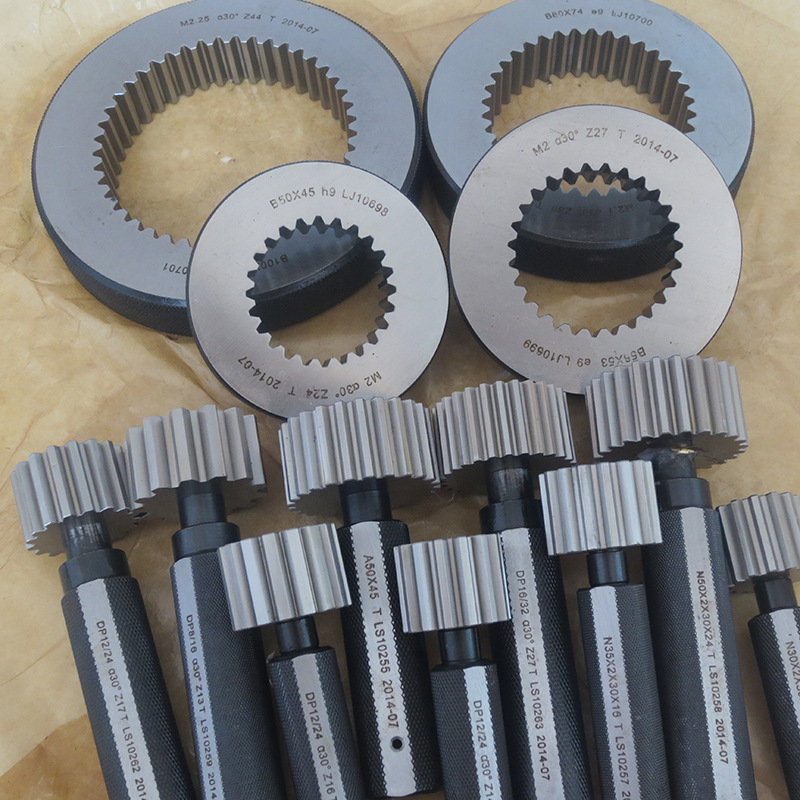
Understanding Thread Plug Gauges G and H Classes Understanding Thread Plug Gauges G and H Classes The primary function of a thread plug gauge is to verify the acceptability of external and internal threads. The G class gauges are designed for the functional limits of the thread, ensuring that the part can engage correctly with a corresponding threaded component. Typically, G class gauges are utilized for testing threads that require a higher level of precision and are often employed in production environments where maintaining tight tolerances is essential. These gauges help in ensuring that the parts not only fit together but also function effectively under various loading conditions. thread plug gauge g and h On the other hand, H class gauges are designed with a more lenient tolerance compared to G class gauges. They are used for inspecting threads that do not require as stringent specifications, making them ideal for applications where some degree of variability is acceptable. H class gauges are typically utilized in large-scale production where quick measurements are paramount, and precise fitting is not as critical. They serve to ensure that parts can still be assembled without issues, even if they may not meet the tighter tolerances dictated by G class gauges. When choosing between G and H class thread plug gauges, a manufacturer must consider factors such as the intended application, operational environment, and necessary precision levels. For instance, in aerospace or medical device manufacturing, where safety and reliability are paramount, G class gauges are often preferred. Conversely, in less critical applications, such as general manufacturing or automotive production where speed and cost-efficiency are prioritized, H class gauges may suffice. In conclusion, both G and H class thread plug gauges serve vital roles in maintaining quality standards in threaded components. By ensuring that parts meet the necessary tolerances, manufacturers can minimize defects, enhance assembly processes, and ultimately deliver higher-quality products. Understanding the distinctions between these gauge classes allows for better selection based on specific project requirements, contributing to improved efficiency and effectiveness in production environments.
-

High quality industrial productsagement

High quality industrial products
View Details -

Meet the diverse needs of customers

Meet the diverse needs of customers
View Details -

Strict quality control

Strict quality control
View Details -

Top raw materials

Top raw materials
View Details -

Trusted supplier

Trusted supplier
View Details
Our application


news and information
Valvola a farfalla da 250 mm per applicazioni industriali e sistemi di controllo del flusso
Valvola a Farfalla da 250 mm Un Componente Essenziale per la Regolazione dei Fluidi La valvola a far

welding table clamps
The Importance of Welding Table Clamps in Metalworking Welding is a fundamental process in metalwork
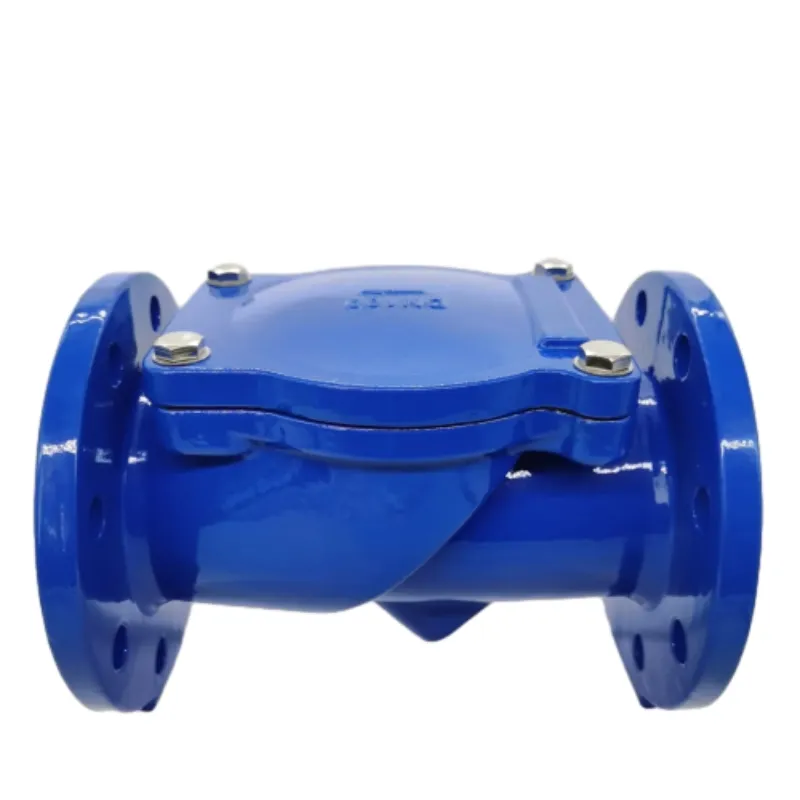
Valve Wholesale - High-Quality Valve Supply for All Industrial Needs
Understanding Valve Wholesale An Essential Component in Industrial Supply Chains In the realm of ind
 English